Makna creative – As the golden sun sets over the lush landscapes of South Sumatra, skilled artisans sit patiently at their looms, creating intricate patterns with a centuries-old technique. The rhythmic motion of their hands, combined with an eye for precision, results in a breathtaking piece of art known as Kain Jumputan Sumatera Selatan. This traditional fabric from Sumatra Selatan is more than just a textile; it embodies a deep cultural heritage, passed down through generations.
A Legacy of Color and Tradition
Kain Jumputan Sumatera Selatan is a prime example of Indonesian textile art that stands out for its vibrant hues and unique dyeing process. Unlike other handwoven textiles, Kain Jumputan employs a resist-dyeing technique similar to tie-dye but with intricate detailing. This meticulous process involves tying portions of the fabric with tight knots before submerging it in natural dyes, resulting in mesmerizing patterns that make each piece a one-of-a-kind masterpiece.
The tradition of South Sumatra weaving dates back hundreds of years, with artisans mastering the craft using natural materials and dyes extracted from plants. These textiles are often worn during special occasions such as weddings and traditional ceremonies, symbolizing status, heritage, and elegance.
The Artisanal Process: A Labor of Love
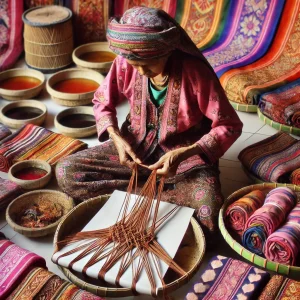
The creation of authentic Sumatera Selatan textiles is a time-intensive process requiring skill and dedication. Artisans begin with raw silk or cotton fabric, preparing it meticulously before proceeding with the knotting technique. The knots, placed with strategic precision, determine the final pattern after dyeing. Once dyed, the fabric is untied and revealed, showcasing the magical transformation of colors and motifs.
Unlike mass-produced fabrics, Kain Jumputan Sumatera Selatan remains a product of passion and craftsmanship. Each piece tells a story, woven with love and patience, making it a coveted item among collectors and fashion enthusiasts who appreciate cultural heritage textiles.
Why Kain Jumputan Stands Out
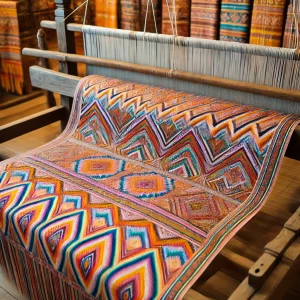
What makes Kain Jumputan unique compared to other traditional fabric Sumatera Selatan? Here are some key factors:
- Authenticity – Every piece is handmade, ensuring that no two fabrics are ever exactly the same.
- Artisanal Fabric Techniques – The dyeing process involves traditional methods that have remained unchanged for centuries.
- Cultural Significance – It represents South Sumatra’s rich heritage and is an integral part of local ceremonies.
- Sustainable Production – Many artisans use eco-friendly dyes and organic fabrics, preserving both the environment and tradition.
Incorporating Kain Jumputan into Modern Fashion
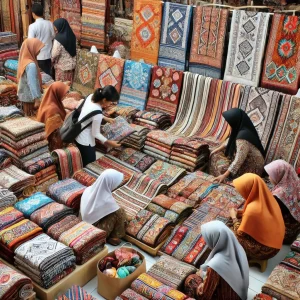
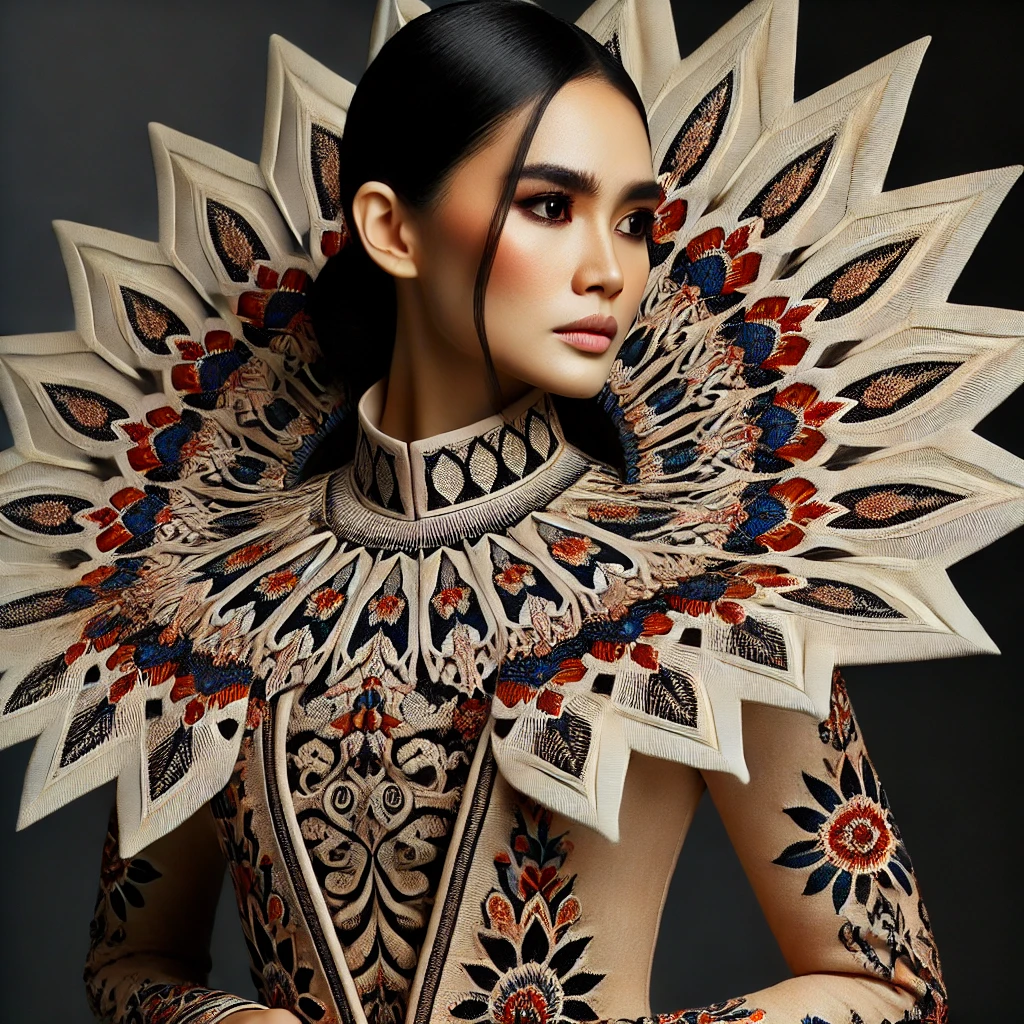
As global interest in unique Indonesian textiles grows, designers are increasingly incorporating Kain Jumputan into contemporary fashion. This traditional fabric is now seen in modern clothing, accessories, and even home décor. From elegant scarves to stylish dresses, Kain Jumputan Sumatera Selatan blends heritage with innovation, making it a versatile choice for those who appreciate timeless beauty.
Also creative : Explore the Flavors of Kue Perut Punai, a Bengkulu Delight
Where to Find Authentic Kain Jumputan
For those interested in owning a piece of this exquisite textile, several artisanal workshops and online stores offer authentic Sumatera Selatan textiles. Visiting local markets in South Sumatra is a rewarding experience, allowing buyers to witness the artistry firsthand while supporting the artisans who keep this tradition alive.
In a world where fast fashion dominates, embracing South Sumatra weaving is a meaningful way to celebrate cultural heritage while owning a piece of history. Whether as a fashion statement or a collector’s item, Kain Jumputan Sumatera Selatan continues to captivate hearts with its mesmerizing patterns and deep-rooted traditions.
Kain Jumputan Sumatera Selatan is not just fabric; it is a legacy woven into every thread, a vibrant testament to Indonesia’s rich Indonesian textile art. As appreciation for cultural heritage textiles grows, this artisanal craft remains a beacon of tradition, creativity, and authenticity.